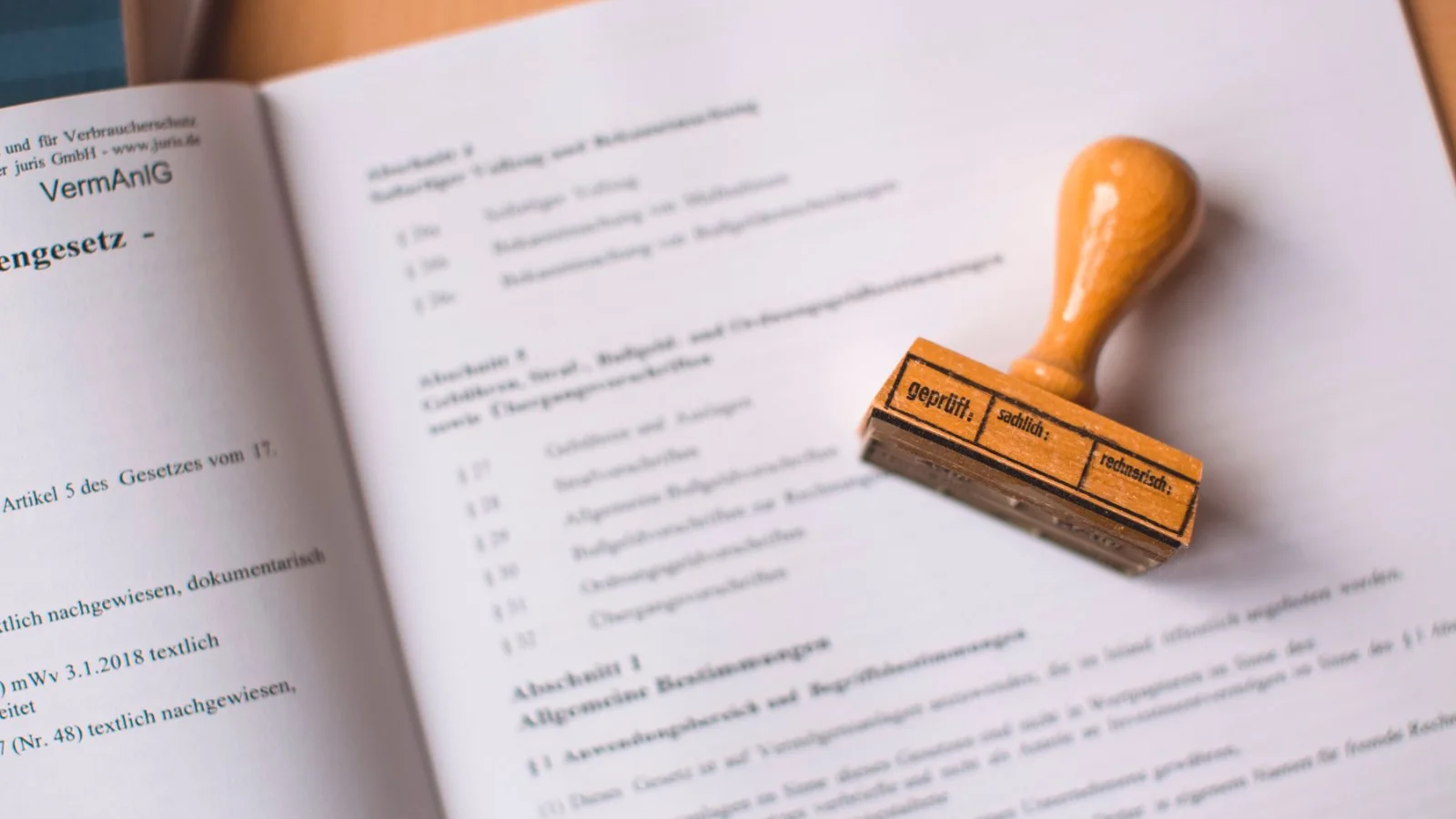
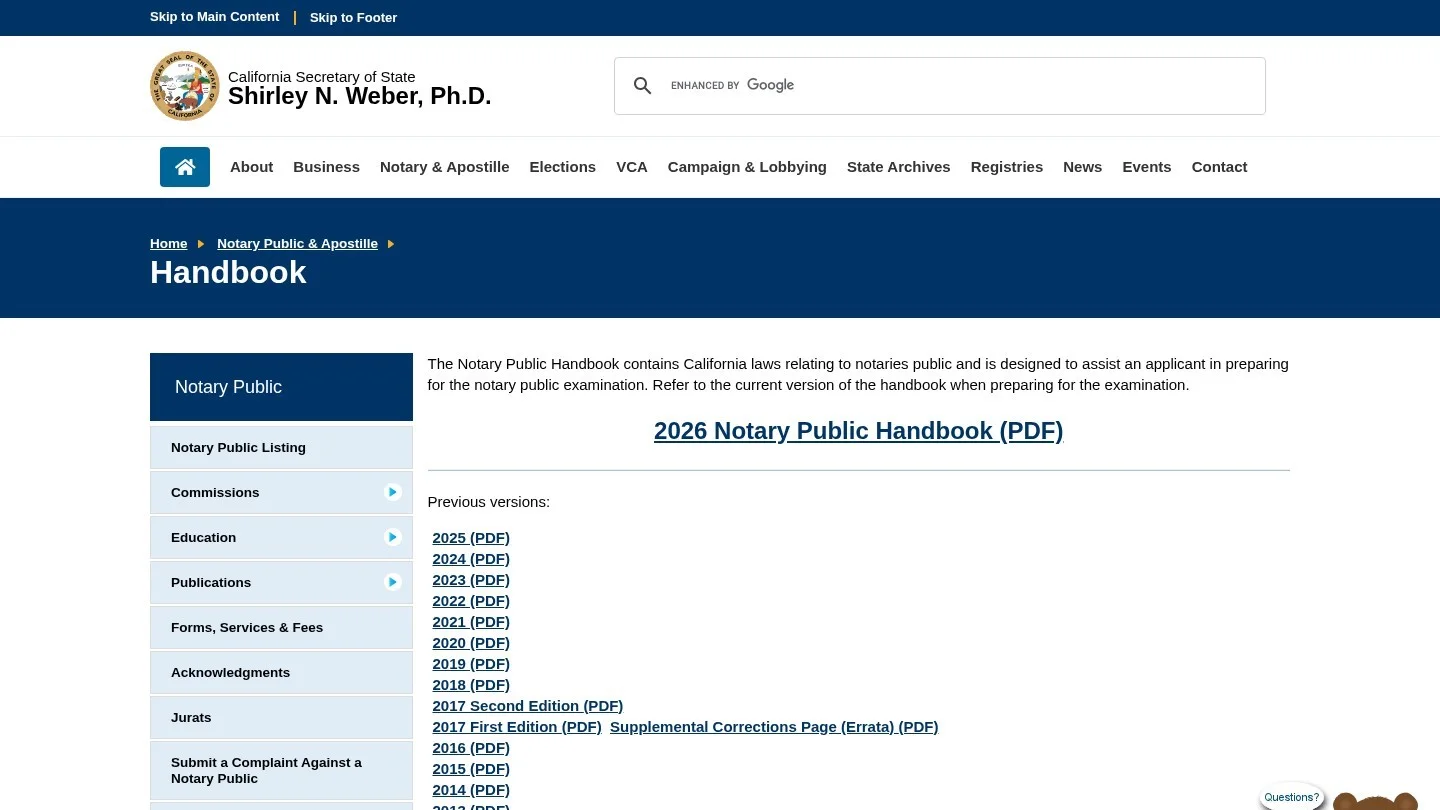
A notarized agreement is a signed deal that a notary has stamped after checking who signed it. Yes, it can still be fought in court, because the stamp proves who signed, not that the deal is fair, legal or freely made. In California, each notary form must carry a set notice that the notary “verifies only the identity” of the signer and “not the truthfulness, accuracy, or validity” of the paper, under Government Code section 8202(b) in the state’s notary handbook. The same handbook tells notaries to say no when asked for legal advice and to send people to a lawyer, so the notary never judged your terms.
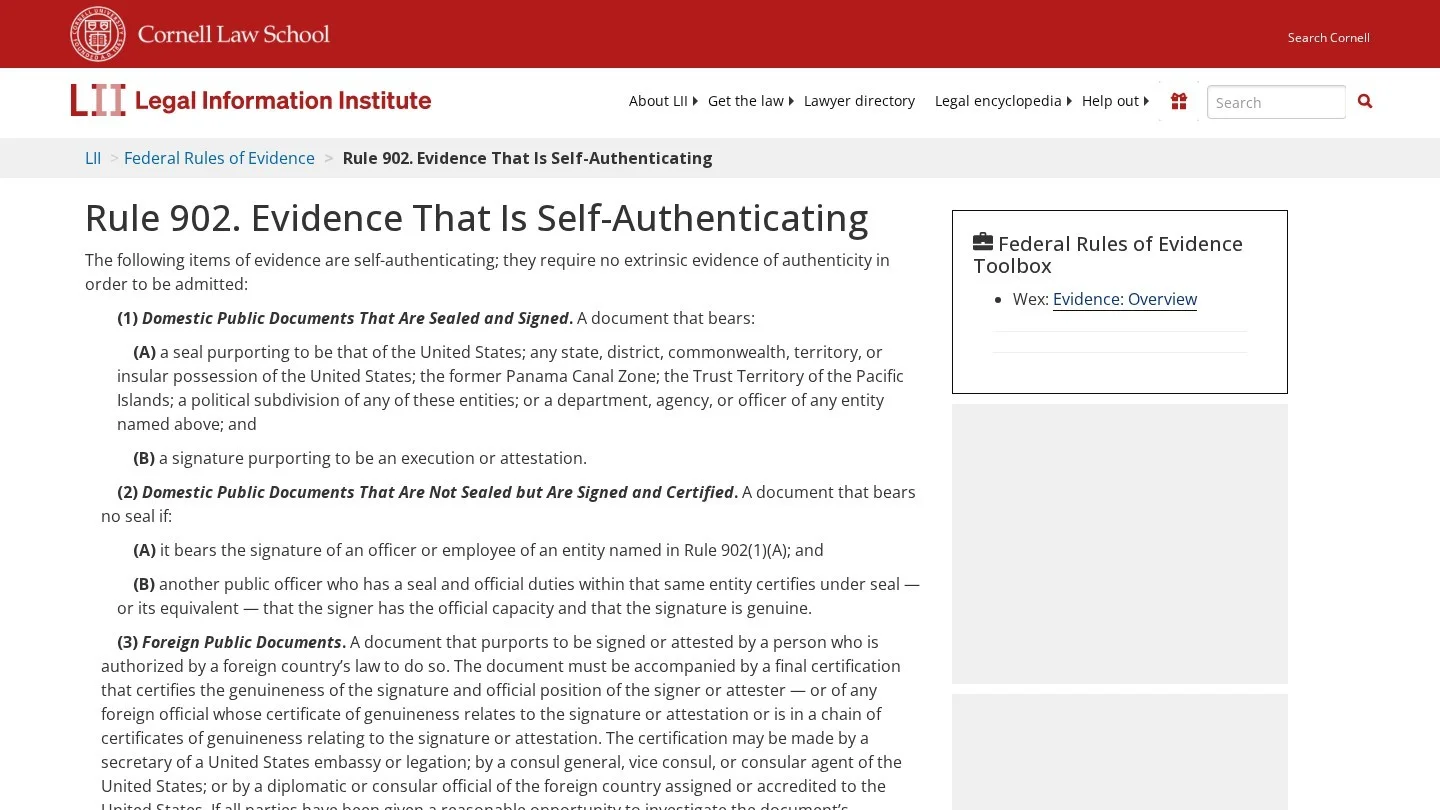
Still, the stamp gives real weight to the side that wants the deal enforced. In federal court, a paper with a notary’s signed form is “self-authenticating.” That means it can go into evidence with no outside proof that it is real, under Federal Rule of Evidence 902(8). Yet the notes to that rule say the other side is never “foreclosed from disputing authenticity,” so a fake can still be fought.
Most fights turn on plain contract law, not on the notary. For example, Montana says a deal needs four things: parties “capable of contracting,” their consent, “a lawful object” and something of value given in return, under Montana Code section 28-2-102. Also, a “yes” won by threats, lies, unfair pressure or a mistake is not free consent, as the Montana rules on consent set out one by one. Each state has its own words and case law, so the place where you signed shapes which rules apply.
What a Notary Checks Before Stamping
A notary checks who you are, watches you sign or hears you say you signed, and logs the act. The notary does not test whether the deal is valid. In California, the notary needs “satisfactory evidence” of who you are, such as an ID card that is current or was issued in the last 5 years, under Civil Code section 1185. The sworn word of one or two witnesses who know you can also work. For a deed or other paper tied to real estate, you must also press your right thumbprint into the notary’s log book.
So a stamped page tells a judge a few clear things and leaves the rest open:
- It shows that a person with proper ID signed, or said they signed, on the date in the form.
- It shows the notary kept a record that can be pulled later.
- It does not show that the terms are fair, that the signer read them, or that the signer chose freely.
- It does not show that the deal is legal where it will be carried out.
Notary rules change from state to state, such as which IDs count and whether a log book is a must. So if the signing itself is in doubt, ask for the notary’s log entry early. It is often the best record of who showed up.
Grounds a Court Will Hear
The grounds that can undo a stamped deal are fraud, duress, undue influence, lack of capacity, mistake, illegal terms, and forgery or notary fault. Each one attacks the deal or the signing, not the stamp. In fact, Montana gives duress, menace, two kinds of fraud, undue influence and two kinds of mistake their own sections in its rules on consent. That shows how closely courts look at how a “yes” was won.
Fraud
Fraud means a lie or a hidden fact got you to sign. For example, say a seller swears a roof is new to close a land deal, and they know it leaks. The stamp does not help that seller, because the notary never looked at the roof, the price or any promise in the deal.
Duress and Menace
Duress means you signed because of a threat or force, not because you agreed. Montana treats duress and menace as two grounds in its contract code, while other states group them their own way. In real cases, texts, voicemails and people who saw the threat carry the most weight. After all, the notary often saw only a calm signer at a desk.
Undue Influence
Undue influence is unfair pressure from someone the signer trusts or leans on, such as a caregiver or a close family member. It comes up a lot with older signers. It also comes up with papers that move money or land to the person who set up the signing. If you are dealing with a will, a trust or a deed in a family, our guide on wills vs trusts shows how those papers work before a fight starts.
Lack of Capacity
Lack of capacity means the signer could not grasp the deal at the time. Age, illness, dementia or heavy drug use can all play a part. Montana lists “parties capable of contracting” as the first thing a deal needs under section 28-2-102. A notary may notice that a signer looks lost, but a notary is not a doctor. So health records from around the signing date tend to count for more than the stamp.
Mistake
A mistake claim says both sides, or now and then one side, signed while wrong about a basic fact. Montana splits mistakes of fact and mistakes of law into their own sections in its consent rules. As a result, a typo in a price is handled in a very different way from a deal where both sides thought a plot had road access when it did not.
Illegal Terms
A deal that calls for something illegal cannot be enforced, stamped or not, because a deal needs “a lawful object” under Montana law. In some cases, a court can strike one bad term and keep the rest. So the whole paper does not always fall.
Forgery and Notary Fault
Forgery and notary errors attack the signing itself. In California, a notary who knowingly states a false fact in the stamp form faces a fine of up to $10,000 under Civil Code section 1189(a)(4). Also, “making a false certificate” is a reason the state can deny, pause or take away a notary’s license under Government Code section 8214.1. A notary who on purpose fails to keep a proper log book is guilty of a misdemeanor under Government Code section 8228.1.
Grounds and Proof at a Glance
Each ground needs its own kind of proof.
| Ground | What It Means | What to Show |
|---|---|---|
| — | — | — |
| Fraud | A lie or hidden fact got you to sign | The false claim, proof it was false, and that you relied on it |
| Duress or menace | You signed under a threat | Texts, calls, people who saw it, and dates |
| Undue influence | A person you trust pushed you | Who set up the signing, who gains, and how much you relied on them |
| Lack of capacity | The signer could not grasp the deal | Health records and what people saw that day |
| Mistake | Both sides were wrong on a basic fact | Drafts, emails and proof of what each side thought |
| Illegal terms | The deal calls for something the law bans | The term and the law it breaks |
| Forgery | Someone else signed your name | Real samples of your signature, proof of where you were, and the notary log |
| Notary fault | The notary skipped the ID check or lied on the form | The stamp form, the log, and the ID that was or was not shown |
Who Has to Prove What
The person attacking a stamped deal most often has to bring the proof, because the stamp gives the paper a head start. In federal court, a stamped paper goes into evidence with no extra proof of who signed it, under Rule 902(8). State courts have their own rules on the same point. So if you say a signature is fake, you will need more than your word. For example, bring samples of your real signature, a handwriting expert, or proof that you were somewhere else that day.
On the other hand, the stamp says nothing about consent, capacity or fairness. For those claims, the judge weighs the facts like in any other contract case. How much proof you need depends on the state and the type of claim, so a local lawyer is the best guide to how high your bar will be.
How Long You Have to Act
Time limits to fight a stamped deal vary by state and by the type of claim, so there is no single U.S. deadline. A fraud claim, a broken-deal claim and a claim on a notary’s bond can each run on a different clock. Also, some papers, such as wills and deeds, come with their own rules on when and where to file.
As a result, the safe move is to act as soon as you see a problem. Waiting can hurt you in other ways too. A court may see a long silence, or taking money under the deal, as a sign that you went along with it.
Steps to Take if You Plan to Fight the Deal
The first step is to lock down the paper trail before memories fade. Then follow these steps in order:
- Get a full copy of the signed deal, with the notary’s form and any pages tied to it.
- Write down the facts while they are fresh: who was in the room, who brought the paper, and what was said.
- Save texts, emails, voicemails and drafts. Do not delete anything, even if it looks bad for you.
- Ask for the notary’s log entry if the signing itself is in doubt, since many states make notaries keep one.
- Get health records if capacity is the issue, and bank records if money moved right after the signing.
- Stop acting under the deal where you can, because taking payments may look like you accepted it.
- Talk to a lawyer in the state where you signed before any deadline runs out.
If the notary was at fault, there may be money to claim too. California makes each notary post a $15,000 bond. On top of that, the notary stays “personally liable to the full extent of any damages,” under the state notary handbook.
Common Stamped Papers and Who Can Help
Common stamped papers include prenups, split-up deals, deeds, powers of attorney and business deals, and each type has lawyers who focus on it. For family papers such as prenups and custody deals, a lawyer from our list of the best family lawyers in the USA can check whether the terms will hold. Deeds, powers of attorney and trusts tend to land with estate attorneys. For those, our list of the best estate planning lawyers in the USA covers legal practices that take on these cases.
Business owners face the same issue with LLC deals and buyouts. In fact, a stamped LLC operating deal can be attacked on the same grounds as any other. So it pays to get the terms right from day one, as our guide to starting an LLC in the USA shows.
How to Make a Stamped Deal Harder to Fight
The best way to protect a stamped deal is to make sure each side signs freely, with all the facts and time to think. For example, give the other side the final draft days before the signing, not minutes before. Also, suggest that each side get their own lawyer, and note in writing that they had the chance.
In addition, keep the signing calm and simple. When an older or ill family member signs, keep the person who gains the most out of the room. If capacity could come up later, ask the signer’s doctor for a short note from around the same date. These steps cost little, yet they answer the most common attacks before anyone makes them.
Finding a Lawyer for Your Case
A lawyer who handles contract cases in the state where you signed is the right first call. You can search attorneys by practice area and city in the LawSubmit law firm directory, or browse law firms in the USA by state. Bring the signed copy, your notes and any messages to the first meeting, so the lawyer can judge your claim and your deadline right away.
FAQs
Does a Notary Stamp Make a Deal Binding?
No, a notary stamp does not make a deal binding on its own. In California, the stamp form itself says the notary checks only who signed, not the “validity of that document,” under the state notary rules. A deal is binding when it meets contract law, with or without a stamp.
Is a Deal Valid if It Was Never Notarized?
Yes, many deals are valid with no notary at all. Still, some papers, such as deeds and some powers of attorney, often need a notary before they can be filed or used, and those rules vary by state.
Can I Sue the Notary Who Stamped a Fake?
Yes, you may have a claim against the notary and the notary’s bond. In California, the bond is $15,000. The notary can owe more than that, because they stay personally liable for the full harm under the notary handbook.
Can Both Sides Cancel a Notarized Deal?
Yes, both sides can end or change a stamped deal by signing a new written deal. In fact, it is wise to get the new paper stamped too, so the record stays clear.