A denied homeowners insurance water damage claim is not always the end of the road, because you can dispute the decision, ask for appraisal and file a state complaint. The fix depends on why it was denied, such as a slow leak, a flood or a claim of poor upkeep. Homeowners policies cover a “sudden and accidental” discharge from a plumbing system, so a burst pipe is often paid while a drip that ran for months is not.
Flood is a separate story. In fact, most homeowners insurance does not cover flood damage at all, and that kind of loss needs its own flood policy. As a result, water that rose from a river or a storm surge needs a different policy, even though the soaked carpet looks the same.
The way you push back also depends on your state. For example, in Texas the steps are to dispute the estimate in writing, then ask for appraisal, mediation or help from the state. Other states use their own forms and time limits, so your policy and your state insurance department set the exact rules.
Your best tools are the denial letter, your policy and good records. With those in hand, you can see whether the insurer read the policy right and which step to take next. Some owners also bring in a public adjuster or a lawyer once the money at stake grows.
Why Insurers Deny Water Damage Claims
Insurers deny water damage claims most often because the damage was slow, came from outside the home or traces back to upkeep. The line they draw is between a sudden accident and a long-term problem. For instance, in Washington most policies don’t cover gradual leaks, because insurers see them as maintenance problems, not sudden events.
Timing matters too. Coverage for a sudden leak often depends on how fast you report it. Also, insurance won’t cover roof water damage if you delay repairs. Frozen pipes are a similar case. Burst pipes are usually covered if you took reasonable steps, such as keeping the home warm, but the claim may be denied if the insurer finds you did not.
| Denial Reason | What the Insurer Means | How to Respond |
|---|---|---|
| Gradual leak | The water ran for a long time, so it counts as a maintenance issue. | Show when the leak started, such as a plumber’s note that a fitting failed all at once. |
| Delayed repairs | A known problem, like a roof leak, was not fixed in time. | Send dated repair bills, quotes or messages that show you acted fast. |
| Flood | Water came from overflowing inland or tidal waters. | File with your flood policy if you have one. If the water came from a pipe, prove the source. |
| Seepage | Ground water came in through the base, cracks in walls or gaps in the building. | Ask the insurer to name the exact policy line it relies on, then check the wording. |
| Mold | Mold is covered only in a limited way, and only when it comes from a covered loss. | Tie the mold to the covered event, such as the date the pipe burst. |
| Frozen pipes | The home was not kept warm enough to stop pipes from freezing. | Share heating bills or thermostat records from the days before the break. |
| Under the deductible | The damage cost less than the amount you pay first. | Get your own contractor’s estimate and compare the totals line by line. |
How to Read the Denial Letter
Read the denial letter for three things: the reason, the policy wording it relies on and any deadline it gives. In Texas, an insurer that denies a claim must explain why in writing. Rules in other states differ, so ask your state insurance department if the letter is vague.
Next, pull out your full policy, not just the one-page summary. Find the section the letter quotes and read the words around it, since exclusions often have exceptions. For example, a policy may exclude mold but still pay for mold that grows after a covered pipe break. Then write down the claim number, the adjuster’s name and every date in the letter.
- Cause of loss: What the insurer says caused the water, such as a slow leak or a flood.
- Policy section: The exclusion or condition it cites, by name or page.
- Facts it relied on: The adjuster’s report, photos or an expert’s note.
- Next steps: Any appeal, appraisal or time limit the letter names.
If something is missing, ask for it in writing. In particular, ask for a copy of the adjuster’s report and any expert report, because those papers show what the decision was really based on.
Flood Insurance vs Homeowners Water Coverage
Flood insurance covers water from outside that rises over land, while homeowners insurance covers sudden water from inside, such as a burst pipe. As a rule, homeowners insurance doesn’t typically cover flood, such as overflowing inland or tidal waters. So the source of the water decides which policy pays.
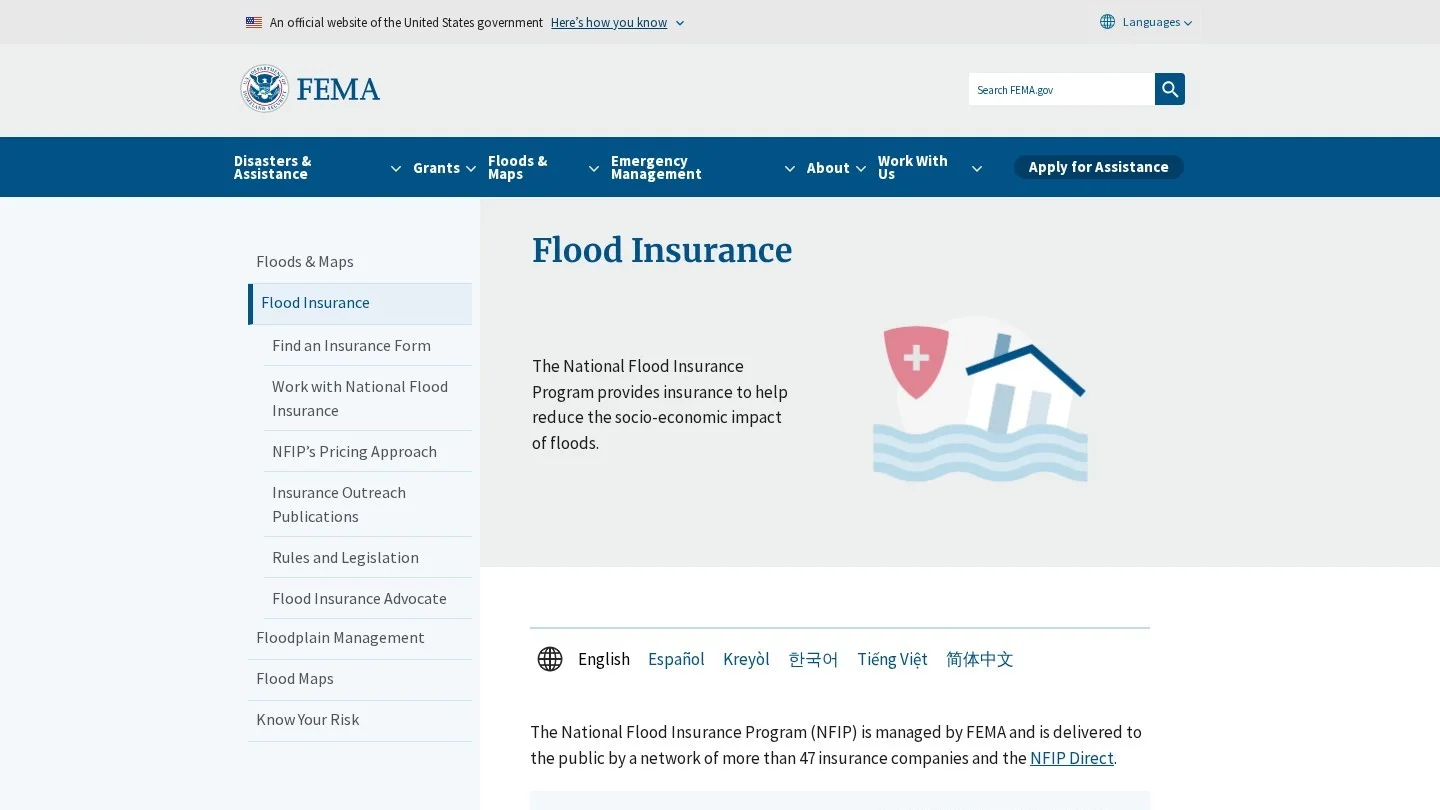
Most flood policies come from the National Flood Insurance Program. Its policies cover up to $250,000 of damage to a home’s structure, with up to $100,000 for your things for an extra premium. Also, the program is sold through more than 47 insurance companies and NFIP Direct, often by the same agent who sells your home policy.
| Point | Homeowners Policy | NFIP Flood Policy |
|---|---|---|
| Water it covers | Sudden, accidental water from inside, such as a burst pipe. | Overflowing inland or tidal waters. |
| Home limit | Set by your policy. | Up to $250,000. |
| Belongings | Set by your policy. | Up to $100,000 for an extra premium. |
| Wait before it starts | Set by your policy. | Typically 30 days, with some exceptions. |
| Help with a hard case | Your state insurance department. | Your agent or the Office of the Flood Insurance Advocate. |
The 30-day wait trips up many buyers. However, it does not apply when you buy the policy at the same time as a new home, and there are other exceptions, such as coverage a government-backed lender requires. For a complex flood case, turn to your agent or the Office of the Flood Insurance Advocate.
Steps to Fight a Denied Water Damage Claim
To fight a denied water damage claim, put your dispute in writing, back it with proof and then use appraisal, mediation or a state complaint if the insurer will not budge. Keep a log of every call, email and letter as you go, with dates and times.
- Stop more damage: Shut off the water, dry what you can and keep receipts. Prompt action and fast reporting help your case.
- Gather proof: Take photos and video, keep the broken part, and get a plumber or roofer to write down what failed and when.
- Dispute in writing: Tell the insurer why you disagree and attach a contractor’s estimate for the repairs. The company may have missed something and may adjust its decision.
- Ask for appraisal: If you disagree on the amount, use the appraisal clause in your policy.
- Try mediation: In Texas, homeowners can ask for a neutral third party to settle the dispute out of court. Check whether your state offers the same.
- File a complaint: Contact your state insurance department if the insurer still will not pay.
- Talk to a lawyer: If none of that works, a lawsuit may be the last step.
Good records do a lot of the work here. In the same way, our tips on what to do after a car accident show how photos, notes and dated messages make any insurance claim harder to deny.
How the Appraisal Clause Works
The appraisal clause lets you and the insurer settle a fight over how much the damage costs without going to court. In Texas, each side hires an appraiser, and if the two cannot agree, they pick an umpire whose decision binds both of you. You pay your own appraiser and half of the umpire’s cost.
Keep in mind that appraisal settles the amount, not whether the loss is covered. So if the insurer says a slow leak is excluded, appraisal alone will not fix that. Also, appraisal rules sit in your policy, so read that section for the steps and time limits that apply to you.
How to File a Complaint with Your State Insurance Department
To file a complaint with your state insurance department, find your state on the NAIC list of insurance departments and use its online form, mail or phone line. Before you file, gather your policy number, bills and records, write a detailed account, use words from your policy and state the outcome you want.
After that, the department sends your complaint to the insurer, which must respond with its side. If the complaint falls within its authority, the department looks into it at no cost to you. It then decides whether the company acted fairly under your policy, and it can make the company fix the problem and follow state law. In Texas, for example, you can reach the Help Line at 800-252-3439 from 8 a.m. to 5 p.m., Monday through Friday.
Bad Faith Basics and How They Vary by State
Bad faith means an insurer handled a claim unfairly, and each state sets its own rules for what counts and what you can recover. A denial you disagree with is not bad faith by itself. Instead, a bad faith claim looks at how the insurer handled your claim, not just the result.
Because the rules differ by state, this is where a local lawyer earns the fee. In addition, the state insurance department’s finding on your complaint can help, since it rules on whether the insurer acted fairly under your policy.
When to Hire a Lawyer or a Public Adjuster
Hire a public adjuster when the fight is about how much the damage is worth, and hire a lawyer when it is about coverage, bad faith or a lawsuit. A public adjuster works for you, not the insurer. In Texas, you can hire one to negotiate with your insurance company and settle the claim.
States license public adjusters, and the rules on fees differ. For example, Texas public adjusters must be licensed by the state, can charge up to 10% of the total the company pays, and cannot practice law or give legal advice. You also have 72 hours after you sign the contract to cancel it. To check a Texas adjuster’s license and record, call the state Help Line before you sign.
A lawyer is the better choice when the insurer says the loss is not covered, when there are signs of bad faith or when a deadline to sue is near. Many of the same hiring tips apply as in our guide on how to choose an accident attorney, such as asking about fees and past cases. If the leak also hurt someone, for instance in a fall on a wet floor, see our list of the best personal injury lawyers in the USA.
To find an insurance attorney near you, browse our law firm directory or the full list of law firms in the USA.
FAQs About Denied Water Damage Claims
Can I Appeal a Denied Water Damage Claim?
Yes, you can appeal a denied water damage claim by writing to the insurer with your proof and a contractor’s estimate. If that fails, you can use appraisal, mediation where your state offers it, or a complaint to your state insurance department.
Does Homeowners Insurance Cover a Slow Leak?
No, homeowners insurance usually does not cover a slow leak. Most policies don’t cover gradual leaks that went on for a long time, because insurers treat them as upkeep problems. A sudden break is a different matter.
Is Mold From a Leak Covered?
Mold from a leak is covered only in a limited way, and only when it comes from a covered loss. You can sometimes add mold coverage to a policy, but it is usually very limited.
How Much Does a Public Adjuster Charge?
Public adjuster fees vary by state. In Texas, a public adjuster can charge up to 10% of the total amount the insurance company pays on your claim.
What If My Flood Claim Was Denied?
If your NFIP flood claim was denied, you can appeal through the FloodSmart.gov denial options. For a complex case, call your agent or the Office of the Flood Insurance Advocate.